Proven Strategies to Achieve Post-Pet Sitting Cleanup Excellence
What Key Components Are Vital for Your Cleaning Routine?
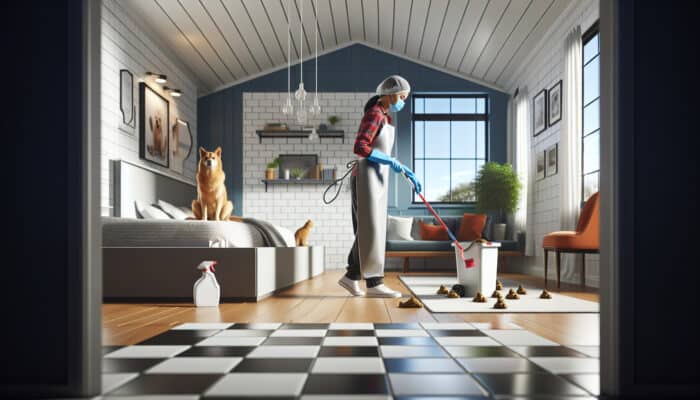
To establish effective post-sitting cleanup routines for pets, it is essential to implement a structured approach that prioritizes hygiene and health in pet environments. A thorough cleaning routine must include daily tasks such as waste removal, surface disinfection, and odor control. These critical activities are fundamental in ensuring a clean and safe atmosphere for both pets and humans sharing the space. By consistently applying these vital practices, pet owners can greatly reduce health risks and cultivate a pleasant living environment that benefits everyone involved.
Essential Daily Cleaning Tasks Every New Pet Sitter Should Follow
For individuals embarking on their journey in pet sitting, it is crucial to start with manageable tasks that aid in developing a reliable cleaning schedule. Initiating with simple chores such as sweeping up fur and wiping surfaces can significantly enhance the cleanliness of pet areas. These straightforward yet impactful practices prevent mess accumulation, ensuring that pets feel comfortable and their surroundings remain fresh and inviting. Below is a quick list of essential tools to help kickstart your cleaning journey:
- <a href="https://limitsofstrategy.com/effective-solutions-for-cleaning-stone-with-microfiber-cloths/">Microfiber cloths</a>
- Pet-safe disinfectant
- Vacuum with a pet hair attachment
- Waste disposal bags
- Rubber gloves
- Sponges
- Odor neutralizers
Equipping yourself with these essential tools not only streamlines your cleaning process but also forms an integral part of ensuring a safe and hygienic environment for the pets you care for.
Long-Term Strategies for Maintaining Pet Cleanliness
To guarantee ongoing cleanliness and well-being for pets, regularly deep cleaning their bedding and toys is critical. This practice helps prevent the accumulation of allergens, which is particularly important for pets with sensitive systems. Establishing consistent habits, like routinely washing pet blankets and toys, supports the long-term health of animals. By incorporating deep cleaning into your routine, pet sitters can create a tidy and safe environment that promotes the health and happiness of the animals they look after. The ultimate aim is to maintain a clean setting that facilitates continuous pet care without interruptions from dirt or germs.
How Can You Enhance Your Cleanup Process After Pet Sitting?

What Common Messes Should You Be Prepared to Handle?
Quickly identifying common pet messes such as urine stains, fur clumps, and food spills is essential for effective cleanup. Addressing these issues promptly helps minimize the risk of stains or lingering odors in shared spaces. This vigilance is crucial for maintaining a hygienic environment for both pets and the humans who interact with them. The sooner you act, the less likely these messes are to become entrenched, making it considerably easier to maintain a clean and pleasant living area.
Which Tools Are Absolutely Necessary for Efficient Cleanup?
Having the appropriate tools readily available enables quick responses to accidents, simplifying the cleanup process. Essential items to keep within reach include gloves for hygiene, pet-safe cleaners for stain removal, and absorbent towels for efficient blotting. Maintaining these tools readily accessible not only speeds up the cleanup process but also prevents lingering issues that could affect the comfort of your pets. Ensuring your cleaning toolkit is comprehensive and conveniently arranged leads to a more successful pet-sitting experience.
When Is the Best Time to Schedule Your Cleanup Tasks?

Timing your cleanup tasks immediately after pet activities is a highly effective strategy for maintaining a pristine environment. By aligning your cleaning efforts with moments following pets’ meals, play sessions, or bathroom breaks, you can ensure thorough removal of debris and messes. This proactive approach not only enhances pet health through regular interventions but also allows you to sustain a clean atmosphere that supports the well-being of the animals in your care. Effective timing is not just about cleanliness; it also involves creating a comfortable and inviting space for pets, ultimately boosting their overall happiness.
What Are the Best Practices for Proper Pet Waste Disposal?
Correct disposal of pet waste is essential for maintaining hygiene and preventing unpleasant odors. Utilizing sealed bags for waste and ensuring they are discarded in designated bins effectively prevents the spread of bacteria and offensive smells. This practice not only protects pets from health risks associated with waste but also contributes to a cleaner environment for humans. Establishing proper disposal habits fosters a culture of cleanliness that benefits everyone involved, ensuring both pets and people can enjoy their shared space without the threat of contamination.
What Preventative Measures Can You Take to Minimize Future Messes?
To avoid recurring messes, implementing preventative measures is crucial. Regularly sanitizing surfaces where pets spend time significantly reduces the likelihood of messes. Additionally, monitoring pet behavior can provide insights into when accidents are likely to happen, allowing caretakers to intervene proactively. These strategies cultivate a consistently clean environment, alleviating some of the burdens of cleanup and enhancing the overall experience of pet sitting. By adopting a proactive approach, you ensure that the environment remains tidy and manageable, simplifying your responsibilities.
Vital Tools for Effective Pet Cleanup
What Cleaning Materials Work Best for Pet Cleanup?
Selecting the right materials for cleaning up after pets can greatly enhance the effectiveness of your routine. Durable options such as microfiber cloths and enzymatic cleaners excel at eliminating pet residues. Microfiber cloths efficiently trap dirt and fur, while enzymatic cleaners break down organic matter, ensuring thorough cleaning. Investing in quality cleaning products simplifies the process, making it more efficient and effective for daily use. The right materials not only boost cleanliness but also help maintain a healthy living space for your pets.
How Should You Organize Your Cleaning Supplies for Optimal Efficiency?
Organizing your cleaning supplies in easily accessible locations is vital for maintaining efficiency during cleanup routines. Keeping everything from microfiber cloths to cleaning solutions in designated storage areas prevents delays during cleanups, streamlining your workflow. Consider using options such as caddies, bins, or shelves that neatly store tools within reach. Here are several storage ideas to optimize your cleaning supply organization:
- Utilize a cleaning caddy for easy transport
- Designate a shelf specifically for pet care supplies
- Label bins for quick identification
- Keep frequently used items at eye level
- Store cleaning solutions out of pets’ reach
By implementing these organizational strategies, you encourage smoother and more stress-free maintenance of your pet care environment.
What Are the Best Eco-Friendly Alternatives for Pet Cleaning Solutions?
In today’s world, selecting eco-friendly cleaning products is not just a trend but a responsibility. Natural cleaning options reduce chemical exposure for both pets and the environment, offering sustainable solutions for addressing messes. Products made from biodegradable ingredients are safe for pets and lessen environmental impact. Opting for these alternatives contributes to your pets’ health, creating a holistic approach to pet care and cleaning that aligns with eco-conscious values. Implementing eco-friendly practices reinforces a commitment to both pet well-being and environmental stewardship.
Insights from Experts on Post-Pet Sitting Cleanup Techniques
What Core Principles Do Professionals Recommend?
Integrating effective routines into your pet-sitting practices can be guided by core principles established by professionals in the field. Prioritizing sanitation is pivotal; experts suggest implementing cleaning schedules that align with pet routines for maximum effectiveness. For instance, cleaning surfaces after each meal or play session can significantly mitigate messes. Real-world examples illustrate that pet sitters who adopt this routine report decreased stress levels and improved pet behavior, leading to more enjoyable experiences for both pets and caretakers. By adhering to these actionable steps, you can enhance pet safety and health through established best practices.
How Do Experts Tackle Common Cleaning Challenges?
Professionals in pet care frequently encounter challenges, especially with stubborn stains or odors. Their insights recommend adaptive strategies tailored to specific situations. For example, using a mixture of baking soda and vinegar can effectively tackle tough stains, while professional-grade enzymatic cleaners may be necessary for deep cleaning. Expert analysis emphasizes the significance of understanding pet behavior, as this knowledge helps in anticipating and addressing potential cleanup challenges. By employing expert-recommended techniques, pet sitters can ensure thorough results that benefit long-term pet health.
What Advanced Techniques Do Experts Suggest for Cleaning?
Experts offer various advanced techniques that can elevate your cleaning practices. Layering methods, such as vacuuming before disinfecting, creates a deeper level of cleanliness. The vacuuming process removes hair and debris, while subsequent disinfecting ensures all surfaces are properly sanitized. This dual approach not only enhances cleaning effectiveness but also contributes to optimal living conditions for pets. Implementing these advanced techniques can lead to improved outcomes in pet hygiene, fostering healthier environments that accommodate the well-being of all animals involved.
What Health Benefits Are Linked to Consistent Cleanup?
How Can Proper Cleanup Prevent Common Infections?
Regular cleanup routines are crucial for eliminating bacteria from surfaces, significantly reducing the risk of infections. By adhering to consistent hygiene practices, pet owners can support stronger immune systems in their pets. Ensuring living spaces are free from pathogens creates a healthier environment where pets can thrive. The connection between cleanliness and pet health is undeniable; routine cleaning not only prevents immediate health concerns but also contributes to long-term well-being, ultimately enhancing your pet’s quality of life.
In What Ways Does Cleanliness Enhance Pet Comfort Levels?
Creating clean environments significantly improves the comfort levels of pets. Reducing irritants such as dirt and allergens helps pets feel more at ease, fostering a mood conducive to relaxation and play. This improvement in daily well-being can lead to increased activity levels and better behavior. Key enhancements associated with a clean environment include:
- Reduced stress levels
- Enhanced playfulness
- Improved sleep quality
- Lower incidence of health issues
By prioritizing cleanliness, pet care providers can create healthier and happier spaces for animals, ultimately contributing to their overall comfort and well-being.
What Role Does Hygiene Play in Extending Pet Longevity?
Maintaining a clean environment for pets directly influences their lifespan. By avoiding exposure to harmful toxins and pathogens, pet owners can promote vitality and overall health. Regular cleanup efforts are not merely chores; they represent investments in your pet’s longevity. Practices such as washing bedding and toys, disinfecting surfaces, and monitoring pet habitats all contribute to a longer, healthier life for pets. By prioritizing hygiene, pet sitters effectively extend the duration of companionship they can enjoy with their furry friends.
How Do Proper Cleanup Routines Help Reduce Allergy Risks?
Proper cleanup routines are instrumental in minimizing exposure to allergens, such as dust and pollen, which can trigger allergic reactions in pets. By ensuring that living spaces remain clean and free from irritants, pet owners can decrease the incidence of symptoms like itchy skin or respiratory issues. This proactive cleaning approach promotes clearer respiratory functions and overall comfort for pets. By dedicating time to regular cleanup, pet sitters can create environments that support animal health, thereby improving their quality of life.
What Impact Does Regular Cleanup Have on Immune System Resilience?
Consistent cleanup routines strengthen a pet’s immune defenses by limiting pathogen accumulation in their environment. This practice encourages natural antibody production, fostering a balanced microbiome that helps pets fend off illnesses. Moreover, a clean environment reduces stress factors that can compromise immune function. By focusing on proactive hygiene, pet sitters can ensure that pets not only live in a clean space but also develop robust immune systems that will keep them healthy and resilient throughout their lives.
Effective Techniques for Maintaining Ongoing Pet Cleanliness
How Can You Formulate an Effective Daily Cleaning Schedule?
Creating a daily cleaning schedule is crucial for maintaining cleanliness in pet care routines. Timing cleanups around pet activities, such as feeding and playtime, can greatly enhance the effectiveness of your efforts. This strategy ensures messes are addressed promptly, preventing the buildup of potential hazards. Furthermore, establishing specific cleaning tasks to coincide with particular times of day contributes to a more organized approach, leading to better outcomes in maintaining pet hygiene.
What Innovative Methods Can You Implement for More Effective Cleaning?
Adopting innovative multi-step processes can transform your cleaning routines into more effective systems. For instance, starting with spot cleaning before proceeding to full area disinfection helps sustain order and cleanliness. This method allows pet sitters to address immediate messes while also implementing deeper cleaning techniques. By incorporating these innovative methods into your workflow, you can keep pets in a fresh and inviting environment effortlessly, enhancing their comfort and overall happiness.
How Can You Evaluate the Effectiveness of Your Cleaning Practices?
Tracking progress in your cleaning routines allows for necessary adjustments to improve overall effectiveness. Monitoring cleanliness not only identifies areas needing more attention but also highlights successful practices that can be reinforced. This ongoing reflection promotes a commitment to maintaining cleanliness that benefits pet health and behavior. By staying vigilant in your cleaning efforts, you ensure that both pets and their caretakers enjoy a pleasant and hygienic living environment.
Why Is Consistent Cleanup Vital for Pets’ Well-Being?
How Does Cleanliness Influence Pet Behavior?
Neglecting regular cleanups can lead to stress in pets, as a disorganized environment often contributes to anxiety. Consistent cleaning practices help maintain calm and positive habits, creating a tidy setting where pets can feel secure. The significance of a clean space cannot be overstated; it serves as a foundation for mental well-being in pets, allowing them to thrive in a more relaxed atmosphere. By integrating routine cleaning, pet sitters can foster an environment that benefits both animals’ behavior and their emotional health.
What Role Does Regular Cleanup Play in Protecting Against Allergies?
Consistent cleaning efforts are essential for reducing allergen triggers in pet environments. By routinely cleaning surfaces and areas where pets spend time, caregivers can help ensure that pets remain symptom-free and comfortable in their daily surroundings. This proactive approach to cleanliness is paramount for pet sitters, as it enables them to anticipate and mitigate allergy-related issues, leading to healthier and happier pets. A clean environment is not just aesthetically pleasing; it is a critical aspect of safeguarding the health of your furry clients.
How Does Involving Pets in Cleanup Reinforce Their Training?
Involving pets in the cleanup process can indirectly reinforce positive behaviors. When pets observe consistent cleaning routines, they begin to associate cleanliness with positive experiences, fostering a disciplined routine that enhances their adaptability. This involvement encourages a sense of responsibility and helps pets learn boundaries regarding mess-making. By integrating training with cleaning practices, pet sitters can create a more harmonious living space that benefits both the animals and their caretakers.
What Common Mistakes Should You Avoid During Cleanup?
Why Is Attention to Small Cleaning Details Significant?
Overlooking minor spills or messes can escalate into larger issues, making it essential to focus on every aspect of cleaning. Neglected small details can lead to a buildup of dirt and bacteria over time, compromising the overall hygiene of pet environments. Being diligent and attentive to even the slightest mess ensures comprehensive care for pet spaces, ultimately leading to a healthier and more inviting atmosphere for pets.
What Risks Are Associated with Using Inappropriate Cleaning Products?
Selecting incorrect cleaning products can irritate pets and may lead to serious health complications. It is crucial to choose safe and effective cleaning options to facilitate successful cleaning routines. Caregivers should always opt for pet-safe formulations that minimize the risk of adverse reactions, ensuring that the cleaning process positively contributes to the health and safety of the animals in their care. Being informed about product choices is a fundamental aspect of responsible pet care.
How Can Rushing the Cleaning Process Compromise Hygiene?
Hasty cleanups often result in missed spots and inadequate disinfection, jeopardizing the health of pets. Taking the necessary time to ensure thorough cleaning guarantees a healthier environment for animals. Rushing through cleaning tasks not only affects hygiene but can also lead to overlooked areas that may harbor germs. A careful and deliberate approach to cleaning will ensure that the living space remains safe and sanitary for all pets.
Why Is Regular Maintenance Crucial for Pet Hygiene?
Failing to implement a consistent cleaning routine allows pet messes to accumulate, fostering bacteria growth and unpleasant odors. This neglect can pose health risks for pets and necessitate more intensive cleanups later on. Establishing a regular maintenance schedule is crucial for promoting cleanliness and hygiene. By prioritizing cleaning, pet sitters can prevent issues from worsening and create a healthier living environment for their furry clients.
What Are the Consequences of Using Dirty Cleaning Tools?
Using unclean rags or mops during the sanitization of pet areas can inadvertently spread contaminants instead of removing them. It is crucial to utilize fresh, clean tools to ensure thorough hygiene during cleanup. Dirty tools can negate the efforts made in cleaning, leading to recurring issues. Regularly washing and maintaining cleaning supplies is vital for effective sanitation, ensuring that pets stay in the healthiest environments possible.
Frequently Asked Questions
What Are the Essential Steps in a Post-Sitting Cleanup Routine?
To maintain a clean space for pets, ensure daily waste removal, surface disinfection, and odor control. Regularly check for messes and implement preventative measures to keep the environment hygienic.
How Often Should You Deep Clean Pet Bedding and Toys?
Deep cleaning pet bedding and toys should occur at least once a week to prevent allergens and bacteria from accumulating, ensuring a safe and healthy environment for your pets.
What Tools Are Essential for Effective Pet Cleanup?
Necessary tools include microfiber cloths, pet-safe disinfectants, a vacuum with a pet hair attachment, waste disposal bags, and odor neutralizers. These tools streamline the cleaning process.
How Can You Quickly Identify Common Pet Messes?
Regularly inspect areas where pets spend time for signs of messes like fur, urine, or food spills. Familiarizing yourself with these spots enables quicker identification and cleanup.
What Are the Best Eco-Friendly Cleaning Options for Pet Areas?
Natural products like vinegar, baking soda, and plant-based cleaners are effective and safe. These options minimize chemical exposure for pets and the environment.
How Can You Prevent Future Messes When Pet Sitting?
Implement regular surface sanitizing and monitor pet behavior for signs of accidents. Establishing a proactive cleaning routine can significantly reduce the likelihood of future messes.
What Are the Health Benefits of a Clean Space for Pets?
A clean space minimizes bacteria and allergens, preventing infections and allergies. It enhances overall well-being, promotes comfort, and supports a pet’s immune system.
How Should You Time Your Cleanup Efforts?
Timing cleanup immediately after pets eat, play, or relieve themselves ensures messes are tackled promptly, maintaining a pristine environment for their health and comfort.
What Common Mistakes Should You Avoid During Cleaning?
Avoid overlooking small details, using incorrect products, rushing the process, neglecting regular maintenance, and using dirty cleaning tools which can all compromise cleanliness and pet health.
Why Is Routine Cleanup Crucial for Pet Behavior?
Maintaining a tidy environment reduces stress and anxiety in pets. Regular cleanups help reinforce positive habits and contribute to a calm and secure atmosphere for their well-being.
Connect with us on Facebook today!
The Article Post-Sitting Cleanup Routines for Pets: Key Practices First Published On https://elgatoencasa.com
The Article Post-Sitting Cleanup Routines: Essential Tips for Pet Care Was Found On https://limitsofstrategy.com